
We reinvented the commercial box truck to cut the cost of logistics.

Logistics is the lifeblood of our economy, yet fleet operators have been forced to run tight margins using a vehicle design that has not been fundamentally improved since the early 1900s.
In 2016 we set out to modernise middle-mile transport and build an entirely new category of cargo vehicle purpose built for fleet hauliers and better economics.
A hidden tax
on everything.
Up to 10% of the cost in virtually everything we consume is simply the cost of crossing physical distance.
For generations, we've accepted this overhead as an unavoidable cost of moving raw materials through production and distribution. But what if the majority of this expense could be eliminated by First Principles thinking to modernize over-the-road logistics? It can, and we have.
19t Cargo Volume in a 7.5t Platform
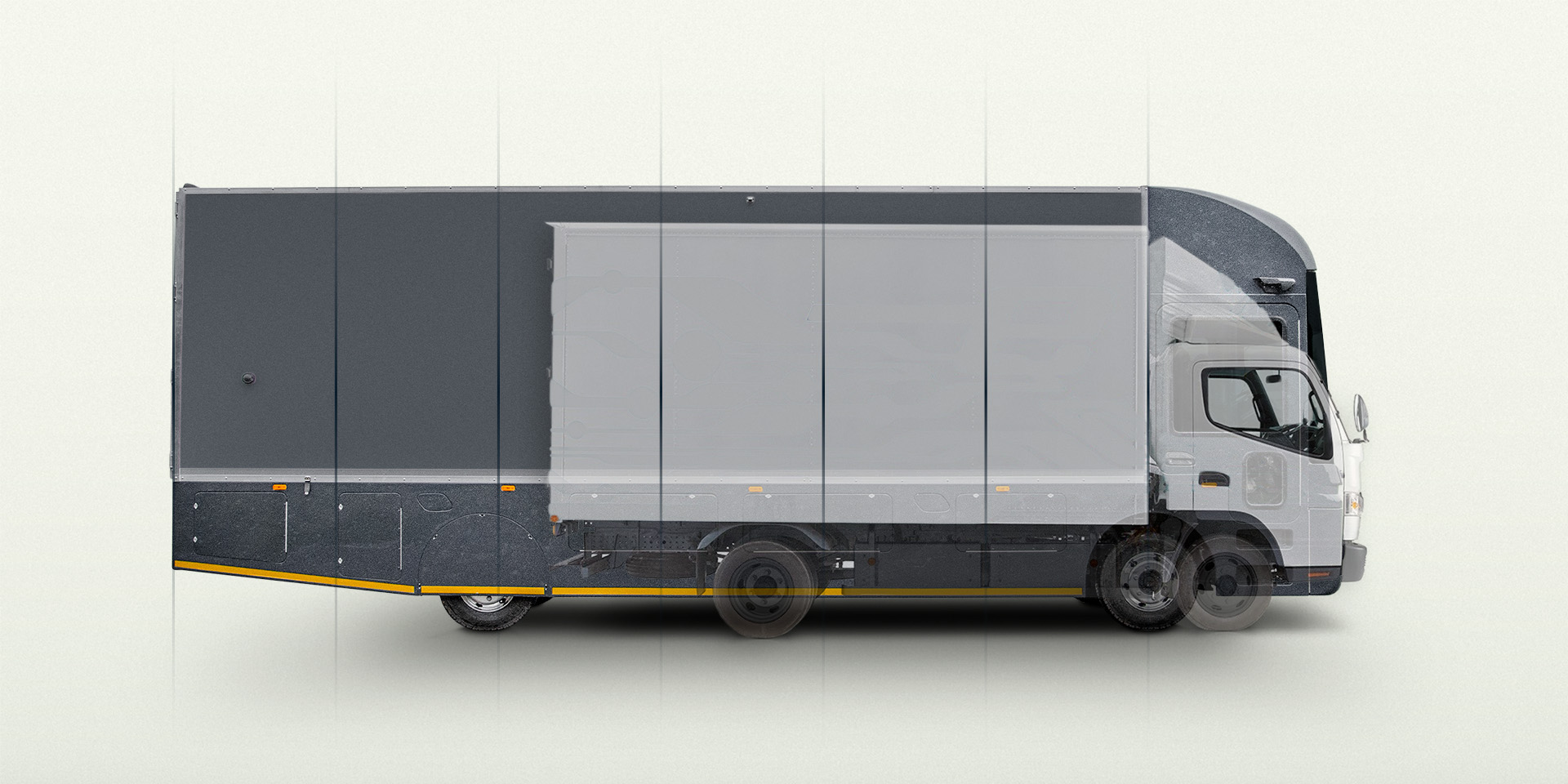
An agile 7.5 tonne GVWR vehicle with the same 18 Euro-1 pallet capacity as a conventional 19 tonne GVWR diesel truck.
By replacing heavy steel frame rails and mechanical components with an aerospace-bonded aluminium monocoque frame, software and electronics, OV-1 unlocks unprecedented productivity.
Proven Math, Proven Platform
OV-1 has been in discreet service with leading brands, completing daily routes and proving transformative economics in real-world service.
Packages delivered in daily commercial trial service
Of powertrain usage including real-world revenue service
If you have been on the streets of London or the M25 over the last five years, you have likely already seen the future of the middle mile.
You just didn't know it was  .
.
Built from the ground up
While others set out to electrify the legacy truck, we started with a clean-sheet aerospace-inspired design.
Capital follows better physics
“Superlight represents a category-defining opportunity in one of the world's largest and most inefficient industries.”
“There is no compromise with Superlight's clean-sheet approach. The platform offers both profound savings and environmental impact.”
“We invested in Superlight because they are a rare, industry-redefining team focused on physics to transform logistics vs incrementally improve an old paradigm.”
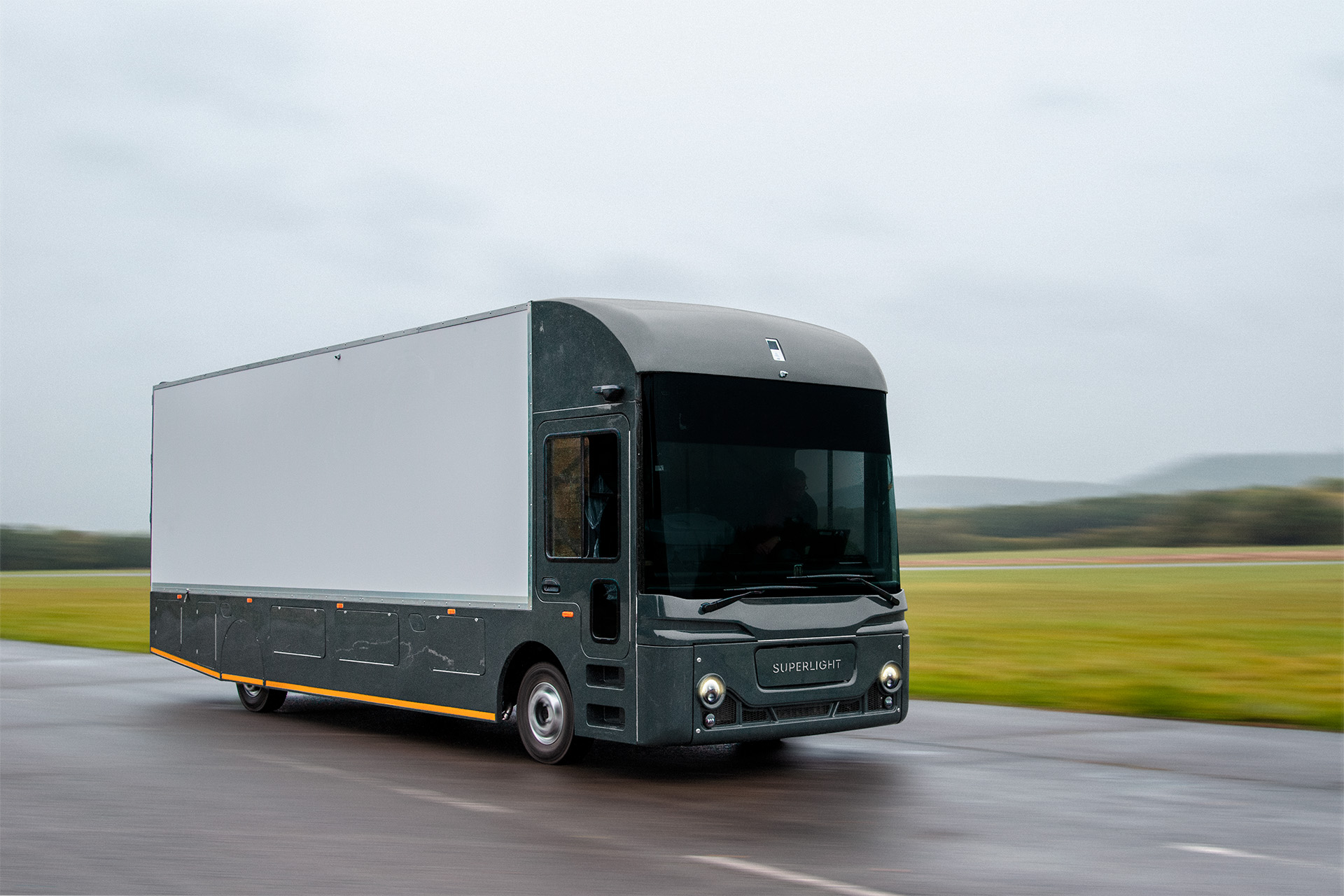
The Modern Middle Mile starts here.
Request an invitation or apply for early access to the platform reclaiming the economics of the middle mile.